property
Salt Lake City Opens 47 Acres for Development With Affordability Requirements
The city released tracts near the airport and West Jordan border for mixed-use projects, with strict affordability and local-hire rules.
How we reported this
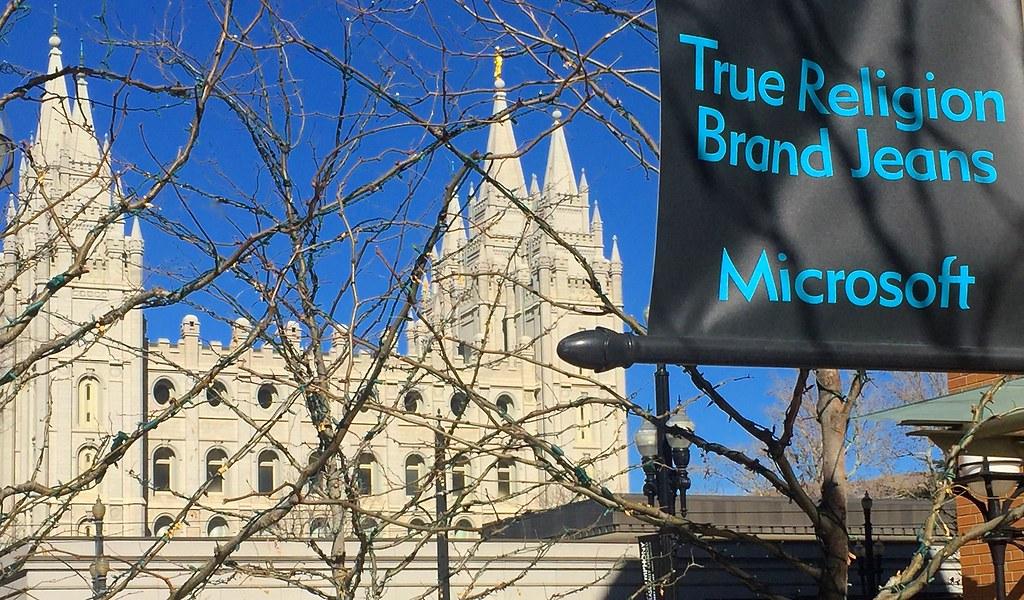
Salt Lake City released 47 acres of municipal land for development today, marking the largest single offering in five years and opening the door for mixed-use housing, retail, and light industrial projects. The parcels-split across three zones near Salt Lake City International Airport, along 5400 West, and abutting the West Jordan border-come with hard affordability requirements and local hiring quotas that will shape who can bid and what gets built.
The timing reflects the city's scramble to keep pace with population growth. Since 2020, Salt Lake City's metro area added more than 180,000 residents. Housing costs have climbed 34 percent in the past two years alone, according to the Utah Association of Realtors. Mayor Erin Mendenhall's office flagged the land release as a tool to spur mixed-income housing development and ease the shortage that has pushed median home prices to $535,000 as of June 2026.
Parcels, Zoning, and the Affordability Strings Attached
The three tracts are zoned for different uses. The 18-acre parcel north of the airport entrance (bounded by North Temple and 2100 South) is open for residential and hospitality mixed-use. The 15-acre site along 5400 West, near the Rio Grande Industrial Corridor, targets light manufacturing and warehouse tenants with ground-floor retail. The 14-acre southern tract, adjacent to West Jordan, is earmarked for transit-oriented residential or office parks.
Developers must reserve 25 percent of any residential units for households earning 60 percent or less of area median income (roughly $46,000 for a family of four). Commercial tenants on the industrial parcel must hire from the city's registered apprenticeship pool-managed through the Salt Lake City Workforce Services Bureau-for at least 30 percent of new positions. Those rules are non-negotiable; the city will enforce them through deed restrictions and annual reporting.
The application window opens July 15 and closes August 30. Firms must submit a master plan, environmental baseline study, financing commitment letter, and community benefits proposal. The city will score applications on four criteria: financial capacity, design quality, workforce contribution, and timeline to first-phase occupancy. At least one parcel will be awarded by September 30; the others may remain open if no qualified bid emerges.
The Numbers and What Developers Face
The city priced the land at market rate-determined by a third-party appraisal released in May 2026. The airport-adjacent parcel appraised at $2.8 million; the industrial tract at $1.6 million; the West Jordan border site at $2.1 million. Developers do not have to buy outright; long-term ground leases (50 to 99 years) are available, which typically reduce upfront capital by 40 to 50 percent.
Competing for these parcels are regional builders (Ivory Homes, Jacobsen Development, Ashton Woods), out-of-state equity funds, and a smaller cohort of Salt Lake City-based boutique firms. The affordability mandate will cut profit margins by an estimated 8 to 12 percent, according to the Utah Developers Council. That gap often triggers state or federal tax-credit stacking-the Low-Income Housing Tax Credit and New Market Tax Credit-which means successful bids will likely pair city land with public subsidy.
Interested developers can request site plans and full RFP details from the Salt Lake City Planning & Zoning Division (451 South State Street, Suite 301) or download them from the city's capital projects portal as of July 8. Two mandatory pre-bid walkthroughs are scheduled for July 19 and July 26; attendance is strongly encouraged, as site constraints and utility access will factor into feasibility scoring.
The city expects groundbreaking on at least one parcel by Q2 2027. Given the affordability premium and market conditions, housing units are likely to land between $420,000 and $550,000 (ownership) or $1,800 to $2,200 per month (rental). Industrial and retail tenants should budget for lease rates around $12 to $16 per square foot annually-above the current downtown average of $10.50 but below emerging nodes like Sugar House.
This article is general information only and is not personal financial or investment advice. Consider your own circumstances and seek licensed professional advice before making financial decisions.