Politics
Salt Lake City Voters Decide Two Tax Changes Worth Hundreds Yearly
A proposed property tax increase for transit expansion and a proposed sales tax exemption for groceries are both on the November 2026 ballot, and together they could shift what Salt Lake City residents pay each month by hundreds of dollars a year.
How we reported this
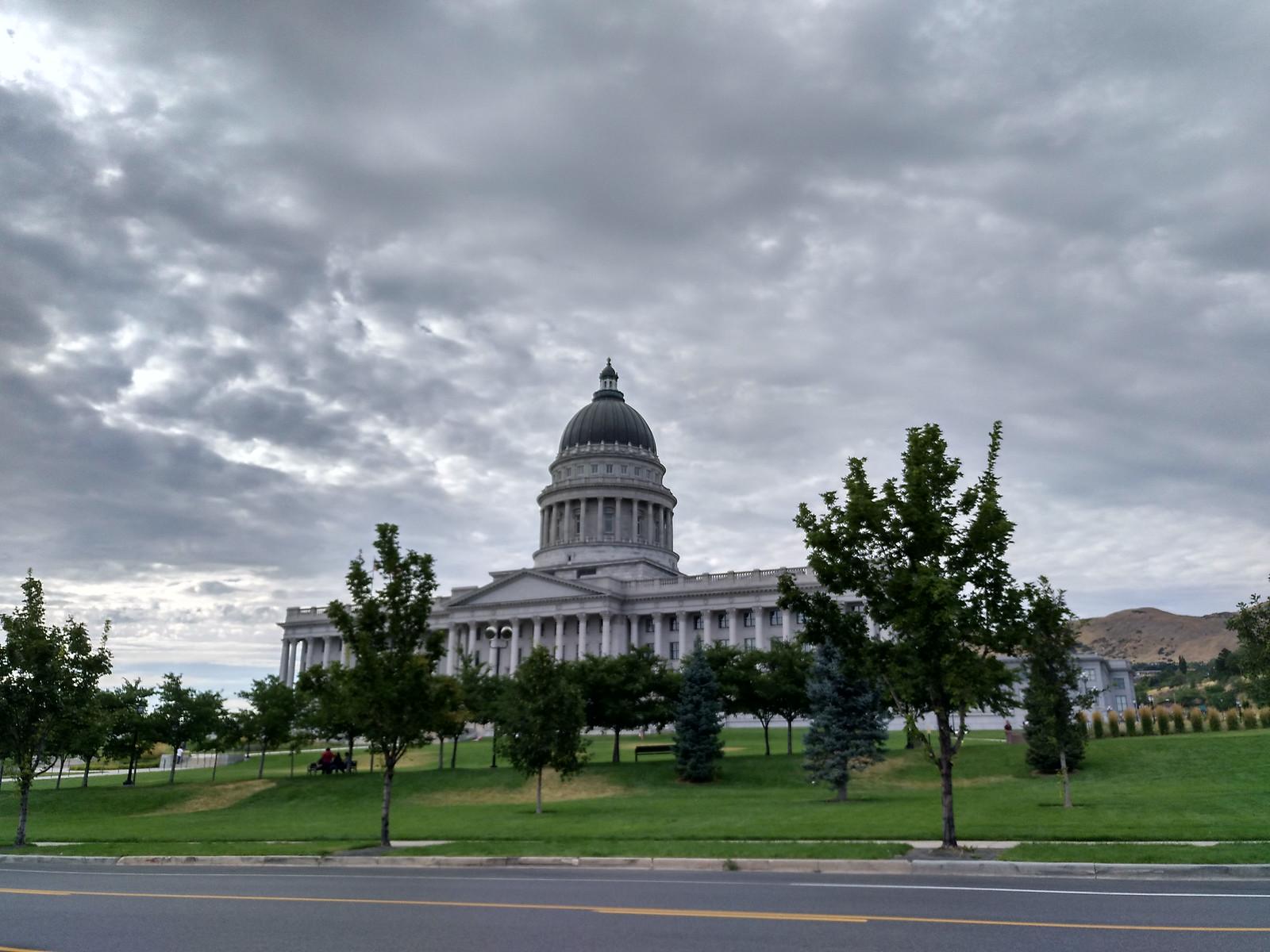
Two measures headed to Salt Lake City ballots this November carry direct consequences for household budgets already under pressure from elevated housing costs and grocery prices. The first is a regional transit funding measure backed by the Utah Transit Authority that would raise property taxes to extend TRAX light rail service into the Westside neighborhoods. The second is a citizen-initiated referendum that would strip the existing 3 percent state and local sales tax from grocery purchases. Voters will decide on both in the same election cycle, meaning the combined fiscal effect on a typical Salt Lake City household could run in opposite directions depending on income level and whether a family owns or rents a home.
The timing matters. According to the U.S. Bureau of Labor Statistics, the Salt Lake City metropolitan area posted a 4.1 percent year-over-year increase in shelter costs as of early 2026, outpacing the national average. Grocery prices in the region rose roughly 2.8 percent over the same period. Policy analysts who track municipal finance say ballot measures that touch both housing-related taxes and food costs tend to generate the sharpest household-level disagreements precisely because the two burdens fall differently across income brackets.
What Each Measure Would Actually Cost or Save
The transit measure, if approved, is projected to add approximately $108 per year to the tax bill on a Salt Lake City home assessed at the county median value of around $485,000. That figure comes from UTA's published fiscal analysis filed with the Salt Lake County Clerk in March 2026. Renters would not pay the levy directly, though local housing advocates note that landlords in tight rental markets often pass property tax increases through to tenants over time, typically within one to two lease cycles. The measure designates all new revenue exclusively for capital construction and operating costs on the planned Westside TRAX extension, which UTA says would add four stations between the existing Intermodal Hub at 300 South and the area around 900 West.
The grocery tax repeal is simpler in structure. Under current Utah law, food purchased at grocery stores is taxed at a combined state and local rate of 3 percent, lower than the standard 6.1 percent general sales tax but still a cost that falls heavily on lower-income households. The Utah State Tax Commission's 2025 annual report estimated that Utah households spend an average of $7,200 per year on groceries. At 3 percent, that works out to roughly $216 in annual tax on food alone. Eliminating that levy would return that amount to the average household, though the actual saving varies by family size and spending habits. A household of four spending closer to $10,000 annually on food would save approximately $300 per year.
What Comes Next for Residents
The two measures are not formally linked, and a voter can support or oppose each independently. Salt Lake City's Office of Legislative Affairs confirmed in a June 2026 briefing document that both questions will appear on the November 3 general election ballot as separate line items. The city is required under Utah Code 20A-7 to publish a plain-language summary of each measure in the voter information pamphlet mailed to registered households no later than 30 days before the election.
For residents trying to run their own household arithmetic, the net effect depends heavily on circumstances. A homeowner who relies on public transit and buys groceries for a family would feel both the new property tax charge and the grocery savings simultaneously. Someone who rents and owns a car might see only the grocery benefit, assuming landlords do not raise rents in response to the property tax change. Community advocacy organizations, including the Crossroads Urban Center, have scheduled public forums throughout July and August to walk residents through the numbers before early voting opens October 14. The Utah League of Women Voters has separately posted a nonpartisan side-by-side comparison on its website for Salt Lake County residents seeking to review both ballot questions before election day.