Politics
Salt Lake City Freezes Some Fees, Raises Utility Rates in 2027 Budget
Mayor Erin Mendenhall's fiscal year 2027 budget holds the line on some municipal fees while hiking utility rates, with tangible effects on what residents pay month to month.
How we reported this
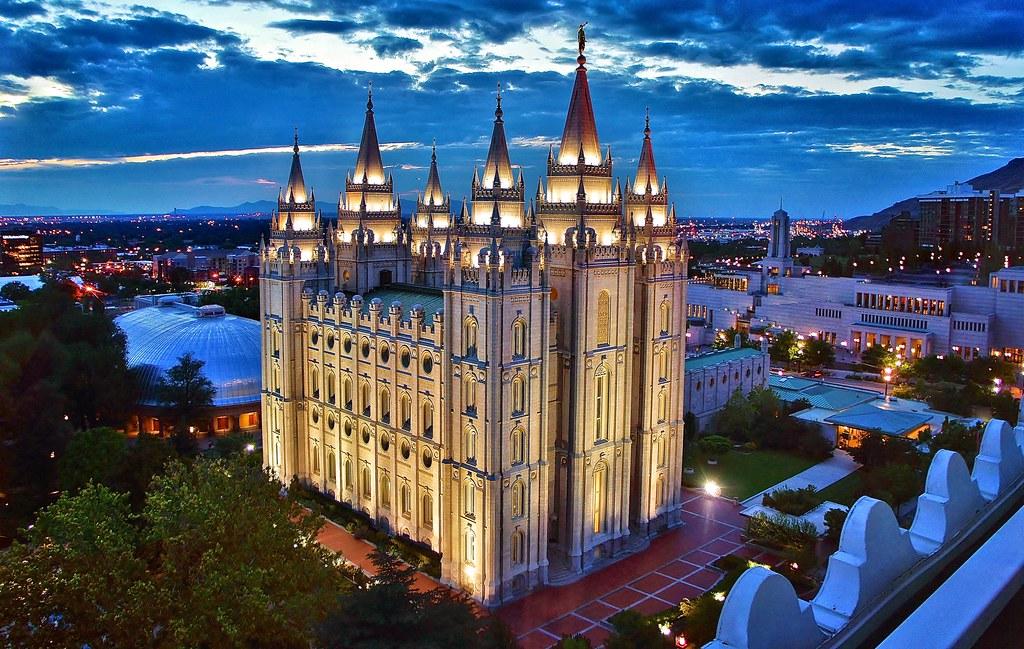
Salt Lake City residents are entering the second half of 2026 under a municipal budget that cuts in two directions at once. The fiscal year 2027 spending plan, adopted by the Salt Lake City Council this spring, holds property tax rates flat for most homeowners while approving increases to water, sewer and stormwater utility rates. For a household in the Marmalade or Sugar House neighborhoods, the net result is a monthly bill that looks roughly the same on the property tax side but edges higher on the utility side, sometimes by $10 to $20 per month depending on usage patterns.
The timing matters. The Bureau of Labor Statistics reported in early 2026 that shelter costs in the Salt Lake metropolitan area rose faster than the national average over the prior 12 months, compressing household budgets already strained by elevated grocery and energy prices. Salt Lake City's median rent crossed $1,400 for a one-bedroom unit in some western-side zip codes, according to figures tracked by the Utah Apartment Association. Against that backdrop, even incremental changes to municipal fees carry weight for renters and owners alike.
What the Budget Actually Changes for Residents
The utility rate adjustments are the most direct pressure point. The city's Public Utilities department requested increases averaging roughly 7 percent for water delivery, citing infrastructure replacement costs tied to aging pipes in the Avenues district and capital projects along the Jordan River corridor. Sewer rates are projected to rise by a similar margin. The stormwater fee, which funds drainage improvements designed to reduce flood risk during spring runoff, is also moving higher. City budget documents project the combined impact on a single-family household at approximately $15 to $25 per month above fiscal year 2026 levels, though actual bills vary by meter size and consumption.
On the other side of the ledger, the city did not pursue a general property tax increase in this cycle. Homeowners whose assessed values rose with the broader Salt Lake County real estate market may still see higher absolute tax bills because of how Utah's property tax formula works, but the city's own mill levy held steady. Renters, who make up a significant share of Salt Lake City's roughly 200,000 residents, receive no direct benefit from the flat mill levy since landlords control how costs are passed through leases.
Federal Exposure and What Comes Next
Local policy analysts note that Salt Lake City's budget is not insulated from federal spending changes. Reductions in U.S. Department of Housing and Urban Development community development block grant allocations, which have been subject to federal budget pressure in recent years, affect the city's capacity to fund programs like the Home Ownership Assistance Program operating out of the Planning Division on 451 South State Street. Budget documents show the city allocated roughly $4.2 million in federal CDBG funds in fiscal year 2026; any reduction in that figure for fiscal year 2027 would limit down-payment assistance available to first-time buyers in the city's more affordable east bench and west side neighborhoods.
The mayor's office has also flagged a new workforce housing initiative expected to go before the council in the third quarter of 2026. The proposal is expected to use a combination of redevelopment agency funds and density incentives to encourage construction of units priced below 80 percent of the area median income, which the U.S. Department of Housing and Urban Development set at $107,900 for a four-person household in the Salt Lake metro area for 2025. Advocates with the Utah Housing Coalition say the scale of any such program will need to be substantial to move the needle on vacancy rates that have hovered near 4 percent citywide.
Residents with questions about utility bill assistance can contact the Salt Lake City Public Utilities low-income rate assistance program, which provides a discount of up to 30 percent for qualifying households. Applications are processed through the city's Division of Housing and Neighborhood Development. The next scheduled council budget review session is set for September 2026, when updated revenue projections for the fiscal year will be presented publicly.