Politics
Salt Lake City's 2026 races will reshape three council seats, mayor's office.
With three City Council seats and the mayor's office on the November ballot, Salt Lake City residents have a direct stake in which candidates win, and which city services follow.
How we reported this
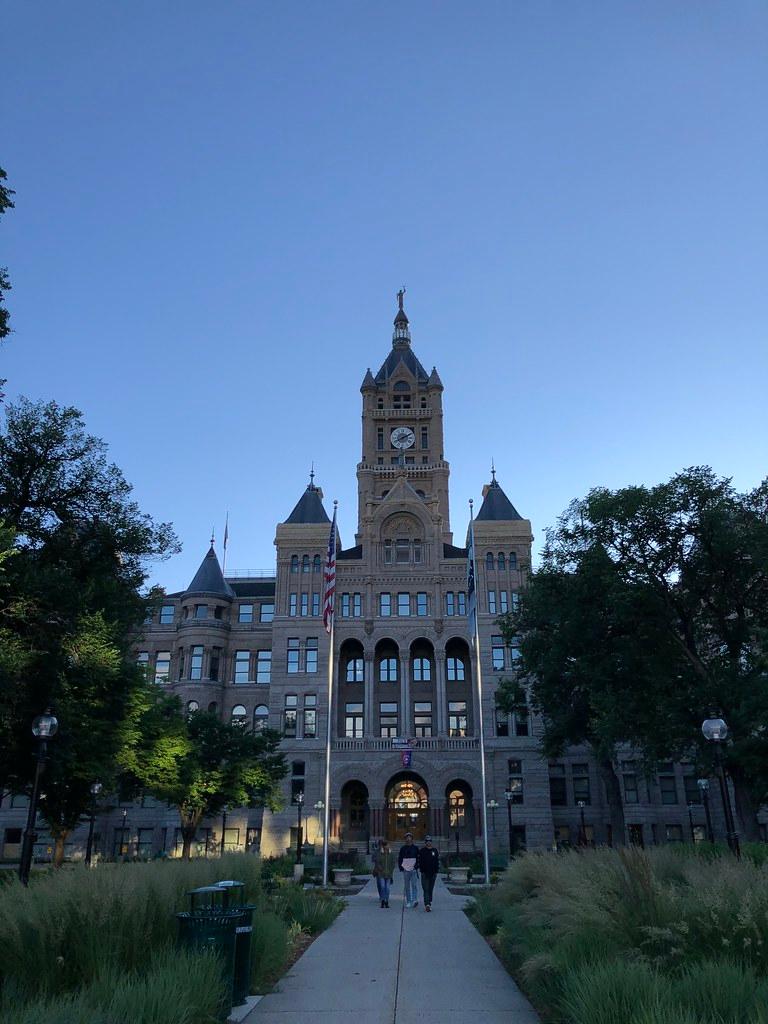
Three Salt Lake City Council seats and the mayor's office appear on the November 3, 2026, general election ballot, and the outcomes will determine budget priorities across departments that touch daily life, snow removal sequencing, affordable housing bond expenditures, and the pace of the city's West Side infrastructure backlog. Salt Lake City holds nonpartisan municipal elections, meaning candidates run without party labels, but their policy positions on housing density, police staffing and public transit funding differ sharply. Whoever wins will control a city budget that, in fiscal year 2026, totaled approximately $460 million across all funds.
The timing matters. Salt Lake City is under a federally recognized housing shortage. The Utah Inland Port Authority is generating freight traffic and pollution complaints along the 5400 West corridor. The city's Homeless Services Site on 300 West is under a court-monitored agreement that expires in early 2027, and whichever council majority takes office in January will inherit those negotiations. Policy analysts who track municipal governance note that mayoral appointments, including the police chief, city attorney and planning director, are confirmed or replaced within the first 90 days of a new administration, compressing the window for residents to understand what a new mayor actually intends to do before key personnel decisions are locked in.
What Is at Stake for Different Neighborhoods
For residents on the East Bench, the council races in Districts 5 and 7 carry direct implications for accessory dwelling unit permitting, which the current council loosened under the 2023 citywide zoning rewrite. Candidates who have signaled they want to revisit those changes could slow permit approvals in neighborhoods where homeowners have already submitted ADU applications. For residents in the Glendale and Poplar Grove areas of Districts 2 and 3, the more pressing question is capital spending: both neighborhoods appear on the city's unfunded sidewalk repair list, which as of last fiscal year carried an estimated $63 million backlog. A council majority that prioritizes that backlog over downtown beautification projects would shift dollars west.
On homelessness, Salt Lake City allocated $28 million in one-time American Rescue Plan Act funds to sheltering and housing navigation services through 2025. Those federal dollars are now spent. Whoever wins the mayor's race will need to decide, in the fiscal year 2027 budget cycle, whether to backfill those services from the city's general fund, seek state appropriations from the Utah Legislature, or allow provider contracts to lapse. Local advocates working in the shelter system say providers are already planning for staff reductions absent a replacement funding commitment, a gap that would be felt most acutely by the roughly 1,500 individuals Salt Lake County counted in its 2025 point-in-time homeless survey.
How the November Outcome Gets Translated Into Services
Salt Lake City uses a strong-mayor form of government under its 2000 charter revision, which means the mayor proposes the annual budget and the seven-member council approves or amends it. A split outcome, a new mayor from one policy camp and a council majority from another, historically produces budget standoffs that delay departmental spending plans into the spring. The city's finance department requires department heads to operate on continuing resolution spending levels during any standoff period, which in practice means deferred hiring and suspended capital orders. Public Works, which manages the city's fleet of 47 snowplows and the residential plowing schedule, operated under a three-month continuing resolution in early 2021 after a budget dispute, and residents in outlying areas of the Avenues and Rose Park saw delayed secondary street clearing during that period.
Primary results from the June 23 nonpartisan primary winnowed the mayoral field to two candidates and each council district to two finalists. Salt Lake County will mail ballots to registered voters beginning October 13, with Election Day on November 3. Voters who are not yet registered have until October 28 under Utah's online registration system at vote.utah.gov. Candidate finance disclosure reports, which are filed with the Utah Lieutenant Governor's Office, show first-quarter fundraising totals for the mayoral candidates, giving residents a public record of which donor networks each candidate is relying on as they enter the general election stretch.